Royal National Park from Sydney
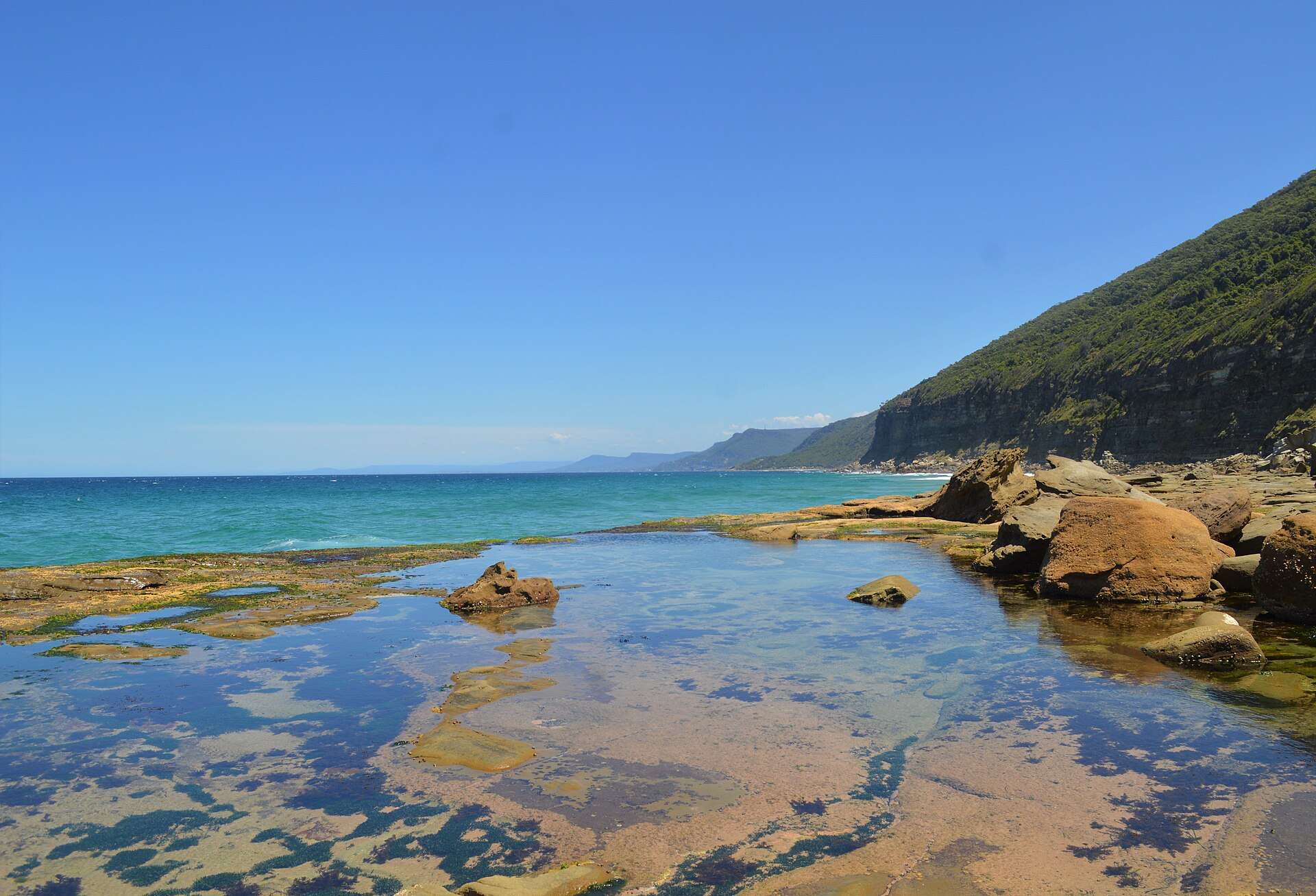
An hour south, the world’s second-oldest national park runs a coastline of pools, cliffs, and beaches — with an official risk forecast for its most famous rock platform, and a fence around its most famous photograph.
The short version
- The car-free route per the alarm runs the train to Cronulla plus the Bundeena ferry — a timber boat working the crossing since 1939 — while drivers pay the park’s vehicle day fee at the gates; park information and the pools’ official risk forecast live at nationalparks.nsw.gov.au.
- The history stated plainly: proclaimed in 1879, this is the world’s second-oldest national park — only Yellowstone (1872) predates it — and ‘Royal’ arrived after a 1954 royal visit.
- The Figure Eight Pools carry the page’s safety register: naturally eroded rock-pool figures on an exposed ocean platform reachable only at low tide in calm swell — the park publishes a dedicated risk forecast because waves sweep the shelf without warning, injuries and rescues recur, and the alarm’s anything-short-of-green rule is the entire decision.
- Wedding Cake Rock — the brilliant white sandstone slab of a thousand feeds — is fenced and fined because geotechnical assessment found it genuinely unstable and collapsing; the legal photograph through the fence loses little, per the alarm.
- The Coast Track runs 26 km end to end (a two-day walk in full); the day-trip segments are the honest version — Bundeena to Marley and back for cliffs and the Rock, or Wattamolla’s lagoon-waterfall-beach combination for the swim-anchored day.
- The supporting cast: whales offshore May–November (headland vantages free), Wattamolla’s sheltered lagoon as the family swim, Garie and Burning Palms beaches for the wilder tiers, and Audley’s boatshed row-boats on the Hacking River for the flattest possible version.

Getting there
The train-ferry combination is the park’s best trick — Cronulla’s line runs frequently, the little ferry crosses on its posted timetable (photograph it per this network’s standing habit), and Bundeena lands you at the Coast Track’s northern trailhead on foot. Drivers enter at the gates with the day fee and park at Wattamolla or Garie for the swim-first versions. The risk-forecast check per the alarm happens before any of it when the pools are the goal: the forecast, the tide table, and the swell report agree or the plan changes.
The day
Green-forecast days with low tide cooperating run the full pools pilgrimage: Bundeena or the Garrawarra car park approach, the steep descent to Burning Palms, and the platform walk to the figure-eights at exactly the window the forecast blessed — photographs taken, shelf respected, retreat before the tide’s turn. Every other day the park’s standard version stands: the Bundeena-to-Marley segment for white cliffs, wheeling sea eagles, and Wedding Cake Rock behind its fence; then Wattamolla for the lagoon jump, the waterfall, and the beach afternoon. Whale season adds blows and breaches to every headland pause. The ferry home from Bundeena — same timber boat, same 1939 rhythm — closes the transit-version day with the crossing’s ten calm minutes.
When to go
The park runs year-round: summer for swimming at Wattamolla and the beaches (weekend car parks fill by mid-morning — the ferry version dodges the queue), winter for whale traffic and empty tracks, spring for wildflower heath along the clifftops. The pools’ green-forecast days scatter across the calendar indifferent to season — swell, not sunshine, is the gatekeeper, and flexible plans win per the alarm. Total fire ban days close tracks occasionally in high summer; the park’s alerts page carries the day’s truth.
Frequently Asked Questions
How dangerous are the Figure Eight Pools really?
The record answers: multiple serious injuries and rescues from waves sweeping the platform, in conditions that looked manageable from shore. The shelf is exposed to open-ocean swell that arrives in sets — calm for twenty minutes, then not. The official forecast models tide plus swell; treating anything below green as a no per the alarm is not caution theater, it’s the platform’s actual math.
Why is Wedding Cake Rock fenced?
Assessment after a section collapsed found the slab undercut and liable to fail without warning — the fence and fines followed, and the rock remains genuinely unstable rather than bureaucratically inconvenient. The viewing area frames it fully. Climbing the fence for the ledge photograph is gambling on geology that engineers have already scored.
Can I do the whole Coast Track in a day?
The 26 km runs as a very long day for fit, early-starting walkers — most people overnight at North Era or split it into the segments this page recommends. The Bundeena and Otford ends both connect to transit, which makes the one-way through-walk logistically clean for those who commit.
Is the ferry really from 1939?
The Curranulla has worked the Cronulla–Bundeena run since 1939 — among the oldest commuter ferries still in service in Australia — and the ten-minute crossing on her timber decks is the park’s best-value heritage experience. She runs a posted timetable with the last departure worth photographing on arrival.
Royal or the Blue Mountains from Sydney?
The Blue Mountains (documented on this network) for sandstone canyons and lookout grandeur by rail; the Royal for coast, swimming, and the pools’ forecast-gated spectacle. Vertical versus littoral — summer argues the coast, winter mist argues the mountains, and Sydney’s geography makes both honest day trips.