Sydney Day Tours
I’m Serious Day Tour Man AI, your day trip expert. Ask me anything — where to go, how to get there, and what’s actually worth your day.
Sydney’s day trips run on two Australian truths. First, the country’s most famous scenery often has a train station attached — the Blue Mountains are two hours away on an ordinary suburban fare. Second, some of its most photographed spots carry genuine danger that the geotags leave out, and the safety rules are stated below where they apply.
The options: eucalyptus canyons under sandstone cliffs, the world’s second-oldest national park at the city’s southern edge, Australia’s oldest wine valley, and — for the committed — sand three hours south that is white enough to squeak underfoot.
Here’s what’s worth a day, with real times and honest trade-offs.

Popular Day Trips
Blue Mountains
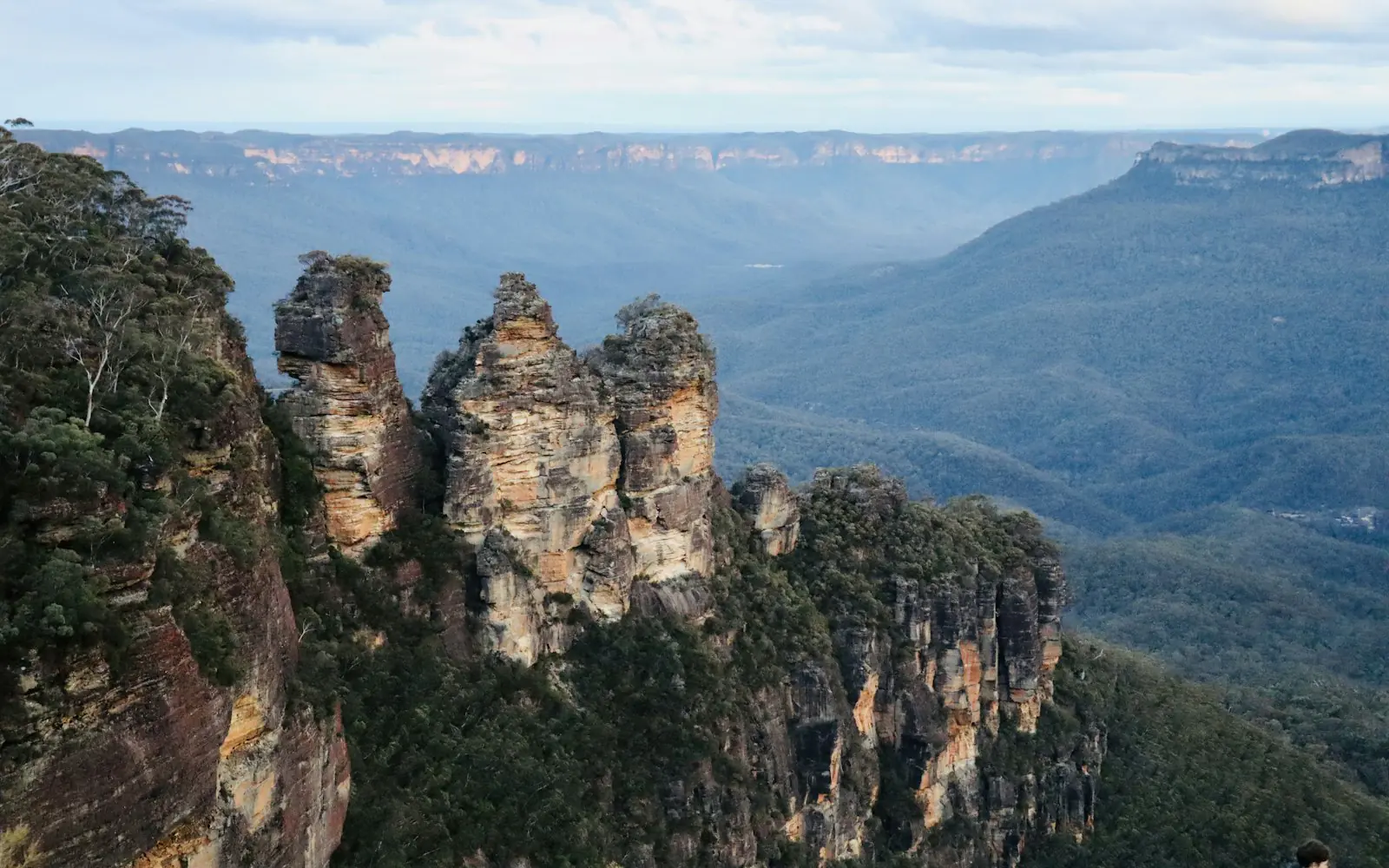
The Katoomba Train, the Three Sisters
Hunter Valley
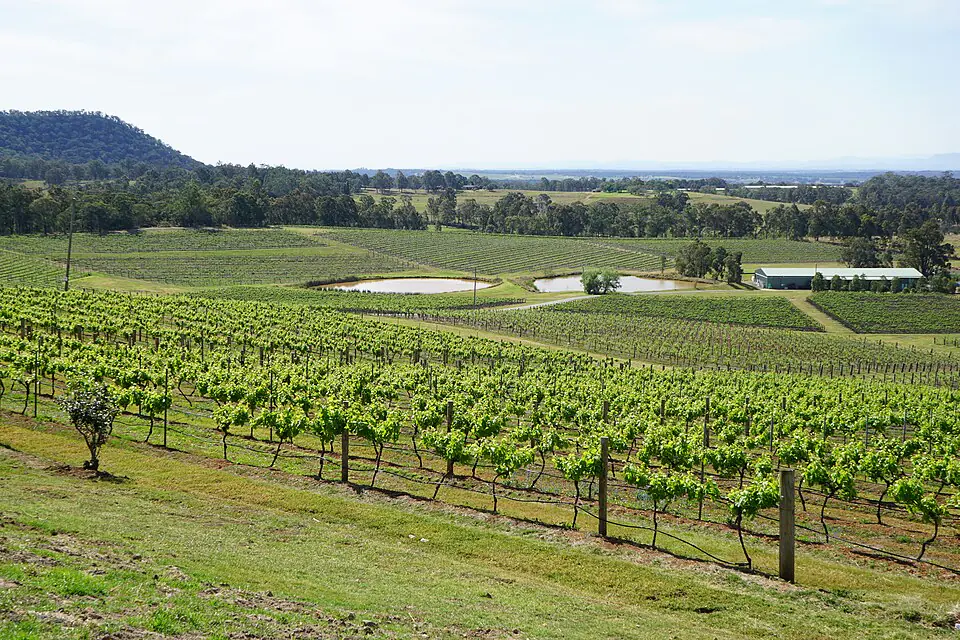
The Two-Hour Truth, the Aged Semillon Argument
Royal National Park
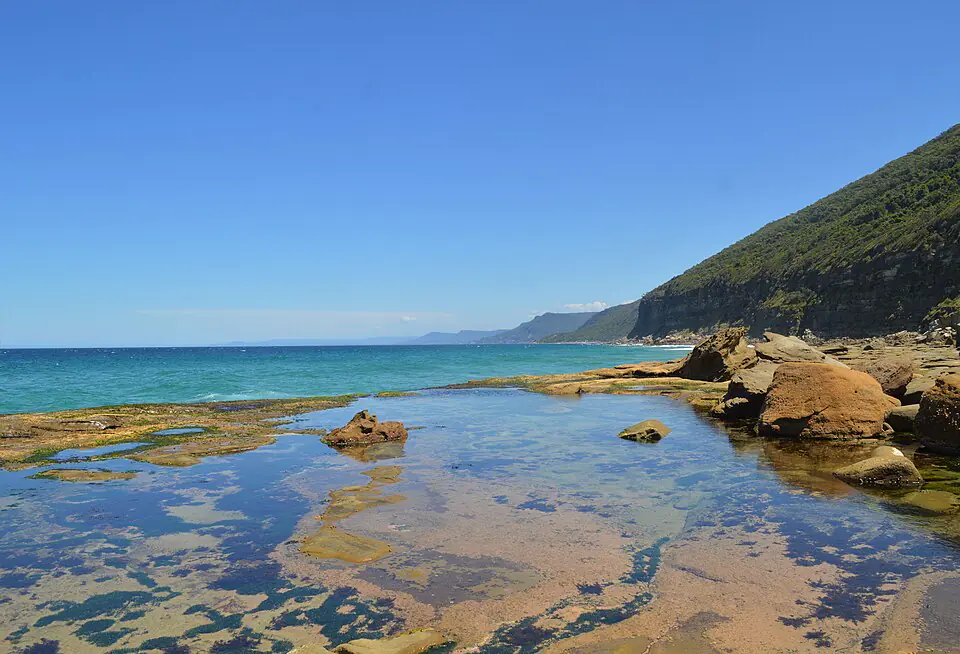
The Risk Forecast First, the 1939 Ferry
The Blue Mountains — By Train, Honestly
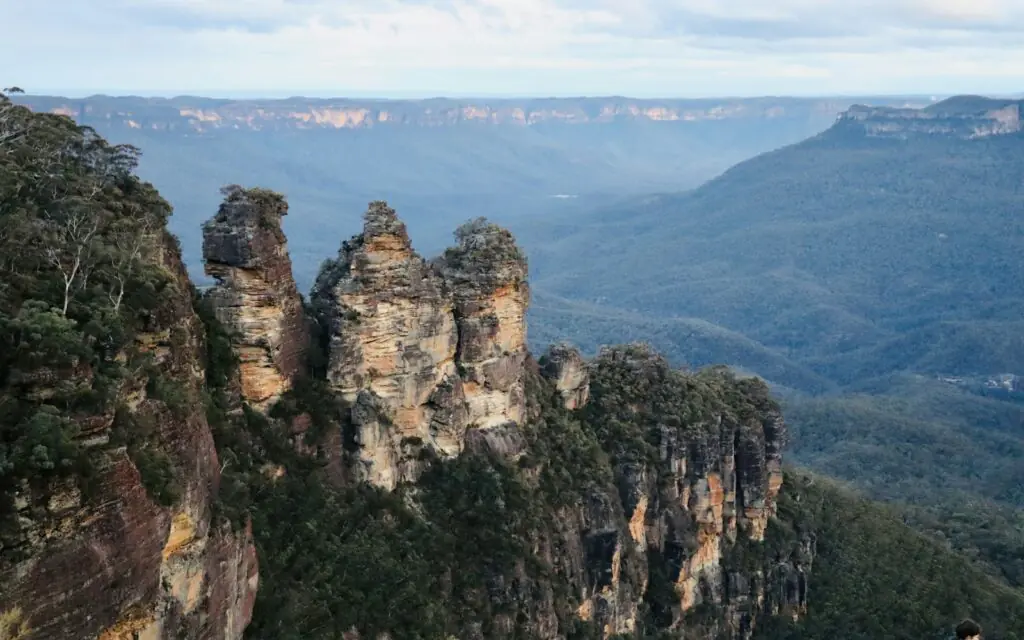
Start with the transit fact: the Blue Mountains Line runs from Central Station to Katoomba in two hours on an ordinary Opal-card fare. That makes Australia’s most famous escarpment one of the world’s great public-transport day trips. Tours add Scenic World logistics and a wildlife-park stop; the train adds freedom and subtracts most of the cost. Both work.
The core is Echo Point: the Three Sisters above the Jamison Valley’s blue-hazed eucalyptus sea. The haze is real — eucalyptus oil droplets scattering the light — so the name is earned. From there, decide on Scenic World. The glass-floored Skyway and the world’s-steepest-railway descent to the rainforest floor are genuinely fun engineering, right for families and anyone avoiding stairs. The free alternative is better bushwalking: the Giant Stairway’s 900-odd steps down beside the Sisters, the Federal Pass through the valley ferns, and the Prince Henry Cliff Walk’s string of lookouts.
Good extensions: Wentworth Falls’ cliff-edge track is the best single walk in the mountains, Leura’s café village sits one station back, and Govetts Leap at Blackheath opens a grander, quieter canyon. One weather note: the mountains run five to ten degrees cooler than Sydney, and cloud can erase the views entirely — check the Echo Point webcam before you commit the day.
Read the full Blue Mountains day-trip page.
The Royal National Park — Beauty With Rules
The world’s second-oldest national park starts at Sydney’s southern edge, and its two most famous photo spots need their safety rules stated first, because the geotags don’t.
The Figure Eight Pools sit on a wave-swept rock platform that is only safe at low tide in calm swell. People are injured there most years when ocean sets sweep the shelf. NSW Parks publishes an official risk forecast for the site — check it before you go, and go only on a low-risk rating at low tide. Anything less means choose another walk. Wedding Cake Rock, the brilliant white cantilevered slab, is fenced because the rock is unstable and will eventually collapse. People died beyond the fence before it went up. The photograph from behind the barrier is the entire visit.
The rest of the park is magnificent and gentler. The Coast Track’s Bundeena-to-Marley section delivers wildflower heath and whale sightings in season. Wattamolla combines a lagoon and a beach for families. Audley rents rowboats on the Hacking River for the 1890s-picnic version of the day. The charming approach is the ferry from Cronulla to Bundeena; tours cover the highlights for the car-free.
Read the full Royal National Park day-trip page.
The Hunter Valley — The Wine Day
Australia’s oldest wine region sits two to two and a half hours north. Its signatures: Semillon that ages into one of the world’s singular white wines — lean when young, honeyed toast a decade on, and the cellar doors pour both vintages side by side to prove it — plus Shiraz from vines with 150-year pedigrees.
Plan the format around two rules. Tastings are increasingly booked and charged (usually redeemable against purchase; the walk-in era is fading), so reserve your cellar doors. And the who-drives-home rule is absolute, which makes a tour or hired driver the right format.
Two or three wineries plus a long lunch beats a six-stop gallop. The add-ons, sorted: the cheese and chocolate shops are pleasant commerce, the dawn hot-air balloon over the vines is the premium memory, and the valley’s concert season — arena acts perform among the rows — can either make your trip or double your traffic, so check the calendar either way. At dusk, kangaroos graze the vineyard edges with complete indifference. That’s the free wildlife encounter.
Read the full Hunter Valley day-trip page.
The Northern Beaches & Ku-ring-gai
North of the harbor, the beach chain runs all the way to Palm Beach, the blond peninsula where Home and Away films. Fans arrive with purpose; know that filming is intermittent, and the beach is better than the pilgrimage. The day’s climb is the Barrenjoey Lighthouse walk — short and steepish, up to the headland where you see Pittwater, the ocean, and the Central Coast in one view.
The B-Line bus plus the 199 makes the run car-free, and the beaches en route invite hopping: Manly’s promenade scene, Freshwater — where surfing arrived in Australia — Narrabeen’s lagoon, and Whale Beach’s quieter cove. The waterfront cafés at Palm Beach charge for the view; decide if today’s the day.
Across Pittwater, Ku-ring-gai Chase National Park holds some of Sydney’s most accessible Aboriginal rock engravings. The Basin Track’s whale and figure carvings are thousands of years old; view them from the marked route, as the signage asks. West Head’s lookout covers the same water from above. Together the two sides make the city’s gentlest full day.
Jervis Bay & Port Stephens — The Long Reaches
Two long options in opposite directions — they offer different things.
Jervis Bay is three hours south. Hyams Beach’s sand is white to the point of squeaking underfoot — the “whitest in the world” claim is marketing, but the reality nearly excuses it. The marine park’s resident dolphins make the cruises reliable rather than hopeful, whales pass May through November, and Booderee National Park — Aboriginal-owned and jointly managed — supplies the bush-meets-bay walks. Be honest about the math: six hours of driving frames the day. It works as a long tour, or better as an overnight that puts the White Sands Walk at golden hour.
Port Stephens is two and a half hours north with different rewards: the Stockton dunes, the largest coastal dune system in the southern hemisphere, where sandboarding and quad tours run all day; resident dolphin pods in the bay; and the Tomaree Head summit walk above the entrance.
Pick one, not both: Jervis for water color and calm, Port Stephens for dunes and family adrenaline.
The Opera House, the Bridge & Sydney Itself
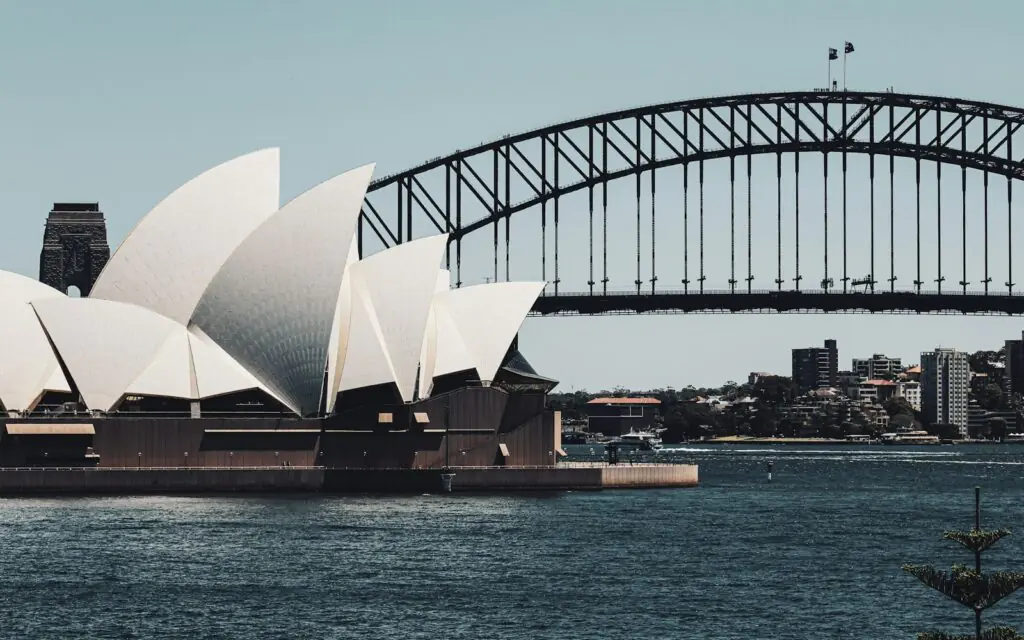
Price the bridge honestly. The Harbour Bridge Climb is a genuine bucket-list experience at a genuine bucket-list price. The Pylon Lookout delivers a nearly-bridge-top panorama for a fraction of the cost, via 200 stairs inside the southeast pylon, with a museum on the way up. Sort it this way: Climb for the experience of standing on the arch, Pylon for the view, and the free footpath walk across the deck for everyone, regardless.
The Opera House splits the same way. The guided tour is worth its ticket — Utzon’s exile and the compromised interiors make the story richer than expected — but attending anything, even a rush-ticket symphony seat or a comedy night, puts you inside the building as it was meant to be used. That beats touring it.
The ferries are the harbor’s best attraction, all on the Opal card; the Manly run past the Heads at dusk is the icon. The Bondi-to-Coogee clifftop walk is the essential free morning: two hours, with Bronte’s and Coogee’s ocean pools as the swim stops, and the Sculpture by the Sea exhibition lining the path for a few weeks each spring. And one beach rule, stated as law because it is one: swim between the red-and-yellow flags. The rips on these beaches are genuinely dangerous, the flagged zones are patrolled, and if a rip catches you, float and signal rather than fight it.
Whales run May through November — free from the headlands, closer by cruise. Summer is crowded and glorious; the shoulder months give Sydney’s outdoors at ideal temperatures. Finish the curriculum with the Rocks’ weekend markets and a harborside flat white. The coffee standards here are earned, and the flat-white-origin argument with Melbourne is best not entered.
Frequently Asked Questions
Can you do the Blue Mountains without a tour?
Easily — two hours from Central to Katoomba on an ordinary fare, with Echo Point, the Giant Stairway, and the cliff walks on foot from there. Tours add Scenic World and wildlife-park logistics; the train adds freedom.
Are the Figure Eight Pools safe?
Only at low tide in calm swell — the platform is wave-swept and injuries happen most years. Check the official NSW Parks risk forecast first; anything short of a low-risk rating means choose another walk.
Is the Bridge Climb worth the price?
For the experience of standing on the arch, yes. For the view alone, the Pylon Lookout delivers it at a fraction of the cost, and the free deck walk is the default everyone should take.
When can you see whales in Sydney?
May to November along the whole coast — free from headlands (North Head, Barrenjoey, the Royal’s Coast Track) or closer by cruise. Jervis Bay and Port Stephens add resident dolphins year-round.
What does swimming between the flags mean?
Australian beaches are patrolled in marked red-and-yellow zones — the rips outside them are genuinely dangerous. The rule is absolute: swim between the flags, and if caught in a rip, float and signal rather than fight it.